How to remove spray foam insulation from a roof without damaging tiles
A practical Grimsby guide to removing spray foam insulation from roof tiles without cracking them - tools, costs, risks and when to bring in a professional.
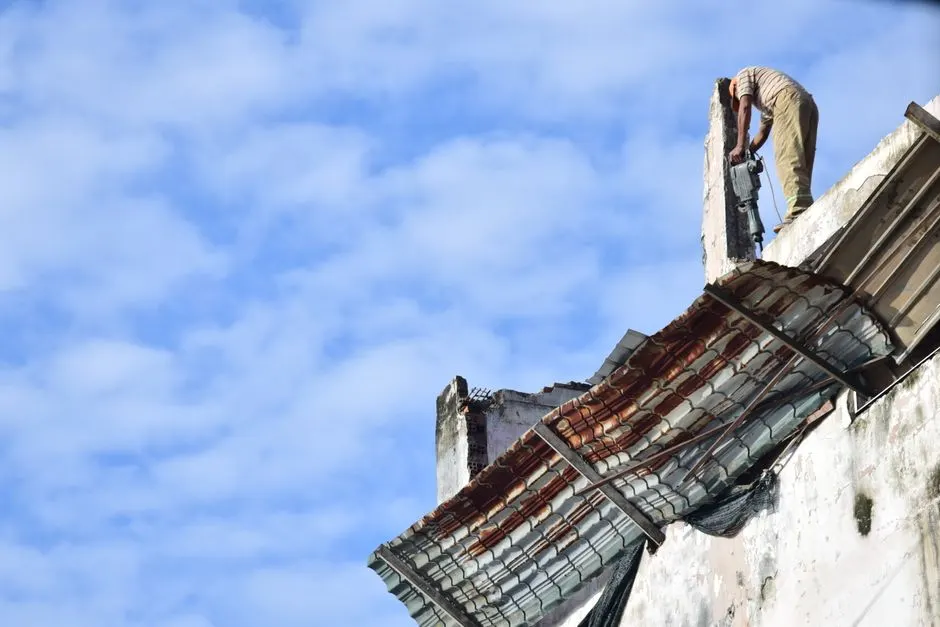
You can remove spray foam insulation from a roof without damaging tiles by cutting the foam back to the rafters with a vibrating multi-tool or an oscillating saw, then lifting each tile by hand rather than levering it. The foam should never be prised off the tile surface itself - it has to be cut away from the tile edges and the batten line first. This guide covers the tools, the sequence, the 2026 costs in Grimsby, and the point at which a DIY job turns into a cracked-tile insurance claim.
Spray foam insulation removal is the process of extracting cured polyurethane foam from a roof, loft or cavity so the structure can be inspected, repaired or mortgaged. In Grimsby, most of the foam we pull out was installed between 2005 and 2015 under a government-backed scheme, and it is now causing problems with surveyors, lenders and roof ventilation.
Below we walk through the full method, the mistakes that break tiles, and how to decide whether to do it yourself or bring in a team.
Why spray foam removal is riskier than it looks
Spray foam removal from a roof is risky because cured foam bonds to tile undersides, battens and felt, and any prying motion transfers force straight into the tile. A clay pantile that has been on a Grimsby roof for 60 years is already brittle; add 15 years of foam expansion and contraction and the tile is often holding itself together by habit.
Three things make it worse on North East Lincolnshire roofs specifically:
- Coastal salt air. Tiles within a mile of the Humber - East Marsh, West Marsh, Grimsby Town Centre - corrode and pit faster, so the tile body is weaker than the same tile inland.
- Foam expansion. Closed-cell foam expands as it cures and physically lifts tiles by 2-4 mm. Those tiles are already under tension before you touch them.
- Hidden battens. Foam hides rotten battens and nail sickness. You will not know what you are dealing with until the first tile comes up.
If you are working on a property where the roof has already been flagged by a surveyor, the safest route is a proper roof spray foam removal in Grimsby, North East Lincolnshire job rather than a weekend of chiselling.
What tools remove spray foam from roof tiles in Grimsby?
The tools that remove spray foam from roof tiles in Grimsby are a vibrating multi-tool with a rigid scraper blade, a hand tile lifter, a slate ripper, a bolster chisel, a wire brush, and a HEPA vacuum. Anything that levers against the tile face - a crowbar, a flat spade, a hammer - is the wrong tool and will crack tiles.
Here is the kit our technicians carry on every roof job:
- Oscillating multi-tool with a carbide scraper blade. This is the workhorse. It cuts foam at the bond line without shock-loading the tile.
- Hand tile lifter (also called a tile rip). Slides under the tile and lifts it off the nibs evenly.
- Slate ripper. For interlocking tiles where you need to reach the batten without removing the tile above.
- Bolster chisel and lump hammer. Only for cutting foam away from rafters, never for tile work.
- HEPA vacuum and P3 masks. Cured foam dust is an irritant. Never dry-scrape without extraction.
- Roof ladder and crawl boards. Distribute your weight across the rafters, not the tile surface.
If you want a sense of how we scope a job before any tool comes out, our insulation assessment in Grimsby, North East Lincolnshire covers the survey, moisture readings and batten check we run first.
Step-by-step: how to remove spray foam insulation from a roof in Grimsby
Removing spray foam insulation from a roof in Grimsby follows a fixed sequence: isolate the power, set up safe access, cut the foam into manageable blocks, lift tiles from the top of the course downward, and bag the waste as you go. Skipping the cutting stage is the single biggest cause of cracked tiles.
1. Isolate and prepare
Kill the power to the loft if there are any cables running through the foam. Lay crawl boards across the rafters from inside the loft so you are not standing on plasterboard. Set up a roof ladder hooked over the ridge.
2. Cut the foam, do not pull it
Work the multi-tool along the tile-to-foam bond line at a shallow angle. Cut in 150-200 mm passes. You are aiming to sever the foam from the tile edge, not to remove the tile yet. Expect roughly 30-45 minutes per square metre of roof at this stage.
3. Lift tiles from the top down
Start at the ridge and work down the slope. Slide the tile lifter under the nib of the top tile, apply steady upward pressure, and let the tile come free. Stack tiles on the crawl board in the order they came off so they go back in the same sequence.
4. Remove foam from the battens and rafters
Once the tiles are off, cut the remaining foam off the battens with the multi-tool and scrape the rafters back to bare timber. Check every batten for rot with a screwdriver - if it sinks in, the batten needs replacing before the tiles go back.
5. Clean, inspect, reinstate
Vacuum all dust and foam fragments. Replace any broken tiles, felt or battens. Re-lay tiles from the bottom course upward, hooking each nib over the batten. A full roof of 40-60 m² takes our two-man team one to two days.
If the foam has spread into the loft floor or between the joists, that is a separate job - see our loft spray foam removal in Grimsby, North East Lincolnshire page for how we handle that side of the property.
DIY spray foam roof removal vs professional Grimsby
DIY spray foam roof removal makes sense on a small, single-storey extension with a handful of foam-covered tiles and easy ladder access. On a two-storey Grimsby terrace with 50 m² of foam-bonded roof, the maths usually flips in favour of a professional team within the first hour.
The honest comparison:
- DIY: £150-£400 in tools and PPE, 3-5 weekends of work, high risk of 10-20 cracked tiles at £8-£25 each to replace, and no waste disposal licence.
- Professional: £1,800-£4,500 for a typical Grimsby semi, 1-2 days on site, tiles lifted and re-laid by hand, waste removed under a registered carrier licence, and a written report you can hand to a lender.
The tipping point is usually the mortgage. If a surveyor has flagged the foam, lenders want a documented removal by a contractor they can verify. That is why we run a dedicated mortgage lender spray foam removal in Grimsby, North East Lincolnshire service with the paperwork trail that valuers ask for.
Cost of roof spray foam removal in Grimsby
The cost of roof spray foam removal in Grimsby in 2026 runs from about £1,800 for a small bungalow roof to £4,500 for a large detached property, with most Grimsby terraces and semis landing between £2,200 and £3,200. Price depends on roof area, foam type, access and whether battens need replacing.
Typical 2026 pricing in this area:
- Loft-only foam removal: £900-£1,800
- Roof tile removal and re-lay, standard semi: £2,200-£3,200
- Full roof with batten replacement: £3,500-£4,500
- Closed-cell foam (harder to cut): add 15-25%
- Scaffolding, if required: £600-£1,200
We quote from a site visit, not a phone description. Foam depth, tile condition and batten rot vary enormously street to street - a house on Spray foam removal in Great Coates can be a very different job to one two miles away in East Marsh.
Common mistakes that crack tiles
The most common mistake is levering foam off the tile face with a bar or chisel. The tile is a brittle, thin ceramic or concrete section - it will not take side load. Other frequent errors we see on Grimsby roofs:
- Starting at the bottom course. Tiles overlap downward. Work from the ridge or you will break the interlock.
- Dry-scraping without extraction. Foam dust coats the loft and irritates lungs. Always vacuum at the blade.
- Standing on the tiles. Walk on crawl boards over the rafters. A 75 kg adult on a single pantile is a cracked pantile.
- Skipping the batten check. Re-laying tiles onto rotten battens means doing the whole job again in two years.
- Bagging foam as general waste. Cured spray foam is not household waste. It needs a licensed carrier.
If you are dealing with foam that has also been injected into the walls, do not attempt it from the roof side. That is a cavity wall spray foam removal in Grimsby, North East Lincolnshire job with different access and different risks.
When to call a professional
Call a professional when the foam covers more than about 10 m², when the roof is above first-floor height, when a lender or surveyor is involved, or when you find rot in the battens. Those four conditions cover the vast majority of Grimsby jobs we attend.
Our team at Apex Focus Spray Foam handles the whole process - survey, cutting, tile lifting, batten replacement, waste removal and re-lay - so you are not coordinating three different trades. We work across Grimsby and the surrounding North East Lincolnshire villages, and we can usually tell you on the first visit whether the roof needs a full strip or a partial removal.
If you are not sure whether you need us yet, start with a survey. It is cheaper than a cracked roof.
Frequently Asked Questions
Can I remove spray foam from my roof without damaging tiles in Grimsby?
Yes, if you cut the foam away from the tile bond line before lifting the tile. Use a vibrating multi-tool, lift tiles from the ridge downward with a tile lifter, and never lever against the tile face. Expect to lose 2-5% of tiles even on a careful job.
How much does roof spray foam removal cost in North East Lincolnshire?
Most Grimsby semis and terraces cost £2,200-£3,200 in 2026 for full roof tile removal and re-lay. Bungalows start around £1,800; large detached homes with batten replacement reach £4,500. Loft-only removal is £900-£1,800.
What tools remove spray foam from roof tiles in Grimsby?
An oscillating multi-tool with a carbide scraper blade, a hand tile lifter, a slate ripper, a bolster chisel, a wire brush and a HEPA vacuum. Add P3 masks, crawl boards and a roof ladder. Crowbars and hammers crack tiles and should stay in the van.
Should I hire a professional for roof spray foam removal in Grimsby?
Yes, if the foam covers more than 10 m², the roof is above first-floor height, a lender is involved, or you find rotten battens. Professional removal takes 1-2 days and comes with the documentation surveyors and valuers accept.
How long does roof spray foam removal take?
A typical Grimsby semi roof of 40-60 m² takes a two-man team one to two days, including tile lifting, batten checks and re-lay. Loft-only foam removal is usually a single day.
Get help with Spray foam removal in Grimsby
If your roof has spray foam that a surveyor, lender or buyer has flagged, we can survey it, remove it and re-lay the tiles without cracking them. We cover Grimsby, Cleethorpes and the wider North East Lincolnshire area, and we quote from a site visit so the price you get is the price you pay.
Call Apex Focus Spray Foam on 0147 246 0146 to book a survey or ask us a question about your roof.